
What Is Rapid Prototyping in Electronics?
Rapid prototyping in electronics allows teams to quickly move design concepts into working hardware for evaluation and refinement. It shortens development cycles, highlights design flaws before full production, and reduces the risk of costly revisions.
PCB prototypes created through this process support faster decision-making, tighter collaboration between engineers and manufacturers, and better alignment between design intent and real-world production capabilities. For complex electronic systems, this speed and accuracy are critical for staying competitive.
What Is PCB Prototyping?
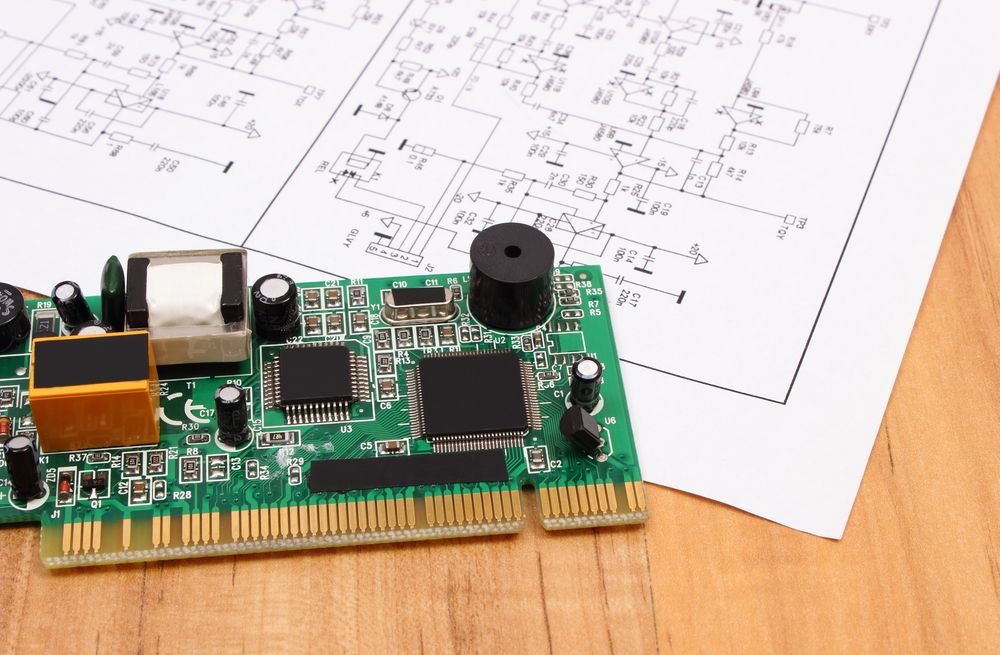
PCB prototyping is the process of building early versions of a printed circuit board to test functionality, manufacturability, and design intent before committing to volume production. These prototypes allow engineers to validate circuit performance, confirm component placement, and evaluate mechanical fit within an enclosure or system. A well-executed prototype highlights errors that may not appear during simulation, such as solder joint weaknesses, signal integrity issues, or thermal management challenges.
For OEMs, prototyping provides valuable insight into how a design will behave in real-world conditions, reducing the likelihood of delays later in the product lifecycle. It also helps align cross-functional teams, including design engineers, quality specialists, and manufacturing partners, around the same physical platform. PCB prototyping is an indispensable step for projects requiring high reliability and compliance with strict medical, aerospace, or defense standards, including those designed to meet
IPC classes of quality.

The Rapid Prototyping Process
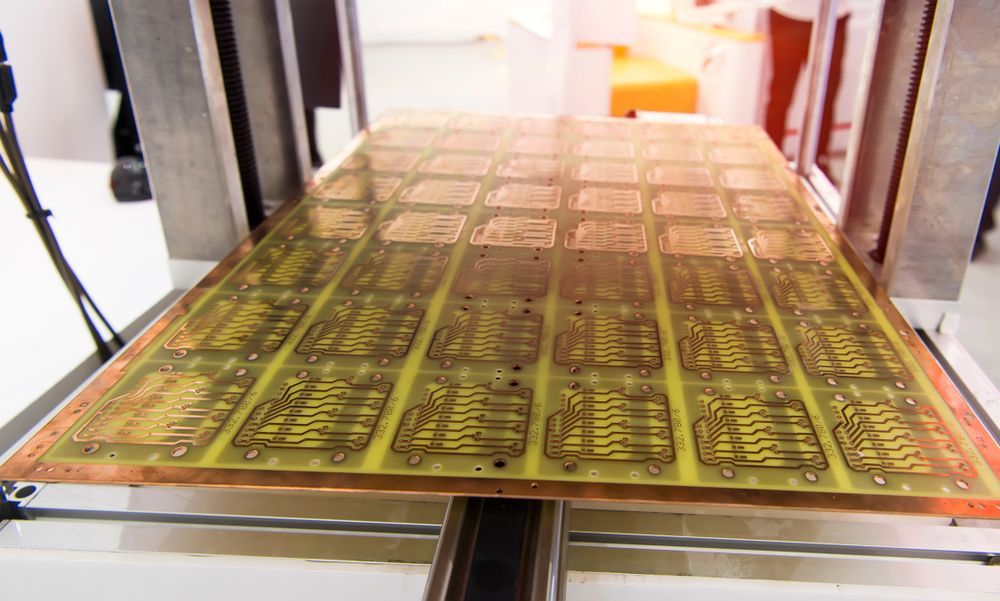
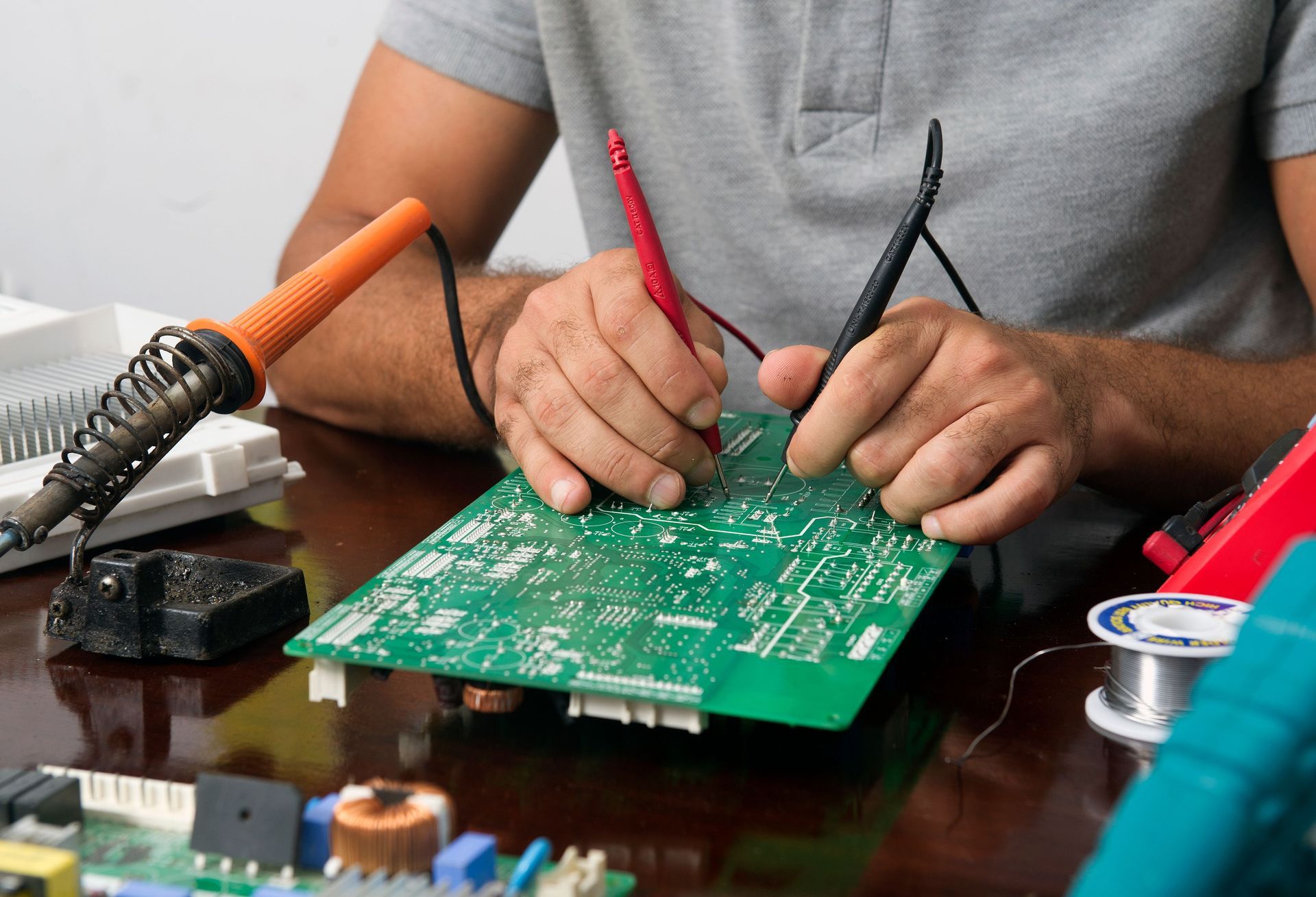
Rapid prototyping in electronics combines design iteration, fabrication, and testing into a condensed cycle that accelerates development. The process often begins with a schematic review and layout design, followed by quick-turn fabrication of a bare PCB. Once components are sourced, surface mount and through-hole assembly produce a working prototype that can be electrically tested and inspected for solder quality, functionality, and reliability.
Unlike traditional builds that may require long lead times, rapid prototyping emphasizes speed without sacrificing precision. Small quantities are produced within days rather than weeks, allowing teams to evaluate performance, gather feedback, and make design adjustments immediately. Each cycle reduces risk before committing to larger production runs. This iterative process not only improves design confidence but also strengthens collaboration between engineering and manufacturing teams.
Benefits of Rapid PCB Prototyping
Rapid PCB prototyping delivers measurable advantages for product development teams under pressure to shorten timelines and maintain quality. The ability to quickly build and test working boards allows engineers to identify design flaws, component mismatches, or layout inefficiencies before they escalate into production problems. Early detection lowers the risk of rework, shortens development cycles, and avoids the cost of scrapping entire builds while maintaining forward progress on program schedules.
Key benefits include:
- Faster validation of electrical performance, thermal behavior, and assembly yield
- Reduced rework and scrap through early error detection
- Improved collaboration between engineering, manufacturing, and quality teams
- Greater schedule confidence for program managers and stakeholders
These advantages make rapid prototyping a cornerstone of high-reliability product design, providing faster feedback, tighter iteration cycles, and reduced development risk for OEMs managing complex and regulated systems.
Common Applications for Rapid Prototyping
Rapid prototyping is widely used across industries that depend on speed, precision, and reliability in product development. In medical technology, prototypes allow teams to evaluate circuit behavior in devices that must meet strict regulatory standards while minimizing risk during clinical validation. Aerospace and defense programs rely on rapid prototyping to confirm performance under demanding thermal and vibration conditions before scaling to mission-ready builds.
Consumer and industrial automation companies also benefit from this process when refining new product features or integrating complex subsystems. Prototypes allow quick feedback on size, fit, and connectivity, helping design teams make adjustments without delaying production schedules. Even in telecommunications and automotive applications, rapid prototyping reduces uncertainty, accelerates compliance testing, and strengthens collaboration between design and manufacturing partners. Its flexibility makes it an indispensable tool for moving concepts into reliable, production-ready assemblies.
Keys to Successful Rapid Prototyping
Successful rapid prototyping depends on more than just quick turnaround times. It requires disciplined planning, communication, and collaboration between engineering and manufacturing teams. When executed effectively, the process reduces delays, increases design confidence, and provides a clear path to scalable production.
Key factors include:
Clear design documentation
Accurate schematics, BOMs, and layout files prevent delays during fabrication and assembly.
Material and component availability
Proactively selecting parts that are in stock shortens cycle times and avoids bottlenecks.
Manufacturing alignment
Designing within the capabilities of fabrication and assembly equipment improves first-pass yield and consistency.
Iterative feedback loops
Gathering test data, sharing results, and acting quickly allows each revision to move closer to production-ready.
When these factors are prioritized, teams achieve faster iterations, lower overall development risk, and stronger collaboration across the entire project lifecycle.
How Rapid Prototyping Supports Scalable Production
Rapid prototyping is not limited to early design validation; it also plays a direct role in preparing for full production. Each prototype cycle generates data that helps engineers refine layout, material choices, and assembly methods in ways that carry forward into repeatable builds. This progression creates a smoother transition from concept to volume manufacturing.
For OEMs, prototypes act as a proving ground for both technical design and supply chain readiness. Testing in small batches confirms manufacturability, highlights areas that could reduce yield, and provides early feedback on compliance requirements. This structured approach reduces surprises once production ramps up. Rapid prototyping, when integrated with scalable manufacturing practices, allows teams to move into higher-volume runs with confidence, supporting predictable quality, lower costs, and consistent delivery performance.
Why Choose EI Micro for Rapid Prototyping?
Choosing the right partner for rapid prototyping determines how quickly and accurately a design can advance to production. EI Micro brings decades of experience supporting OEMs in medical, aerospace, defense, and industrial sectors where reliability is non-negotiable. Our team combines engineering review, quick-turn fabrication, and advanced assembly processes under one roof, reducing vendor handoffs and minimizing lead times.
Capabilities include surface mount, through-hole, and mixed-technology builds, supported by inspection systems such as AOI, X-ray, and flying probe testing. These tools provide immediate feedback, helping refine each prototype iteration for higher yield and compliance readiness. With a closed-loop approach that ties design, test, and manufacturing together, we deliver prototypes that accurately reflect production outcomes. OEMs gain a collaborative partner focused on manufacturability, lifecycle support, and speed without compromising precision, making EI Micro a trusted choice among
electronics manufacturing services (EMS) providers.
Contact EI Microcircuits today to accelerate your next design cycle, reduce development risk, and move confidently from prototype to production.
let's talk
EI Microcircuits is comprised of three production facilities totaling over 100,000 square feet of climate-controlled manufacturing, engineering and warehousing. We are ready to be the solution to your next project. Contact Us, Request a Quote or Schedule a Tour today!
Manufacturing plant 1
1651 Pohl Road
Mankato, MN 56001
P: 507.345.5786
Manufacturing plant 2
2011 Klein Street
St. Peter, MN 56082
P: 507.934.5722
manufacturing plant 3
69 Power Drive
Mankato, MN 56001
P: 507.386.9160
*Each facility is configured to support your production needs. While maintaining continuity with each other in equipment, training and process control, each facility offers its own specialty. All facilities share the same data center to allow for seamless manufacturing between locations.