
The Importance of FR4 Material in PCB Manufacturing
Why Material Selection Defines PCB Performance
Material choice sets the baseline for how a PCB behaves under thermal, electrical, and mechanical stress. The substrate affects heat dissipation, signal stability, and structural strength throughout the product's life. When material characteristics do not match the application's demands, issues can arise during operation or as the assembly ages. Choosing an appropriate material early keeps design intent, manufacturing steps, and reliability goals aligned.
What Is FR4 Material?
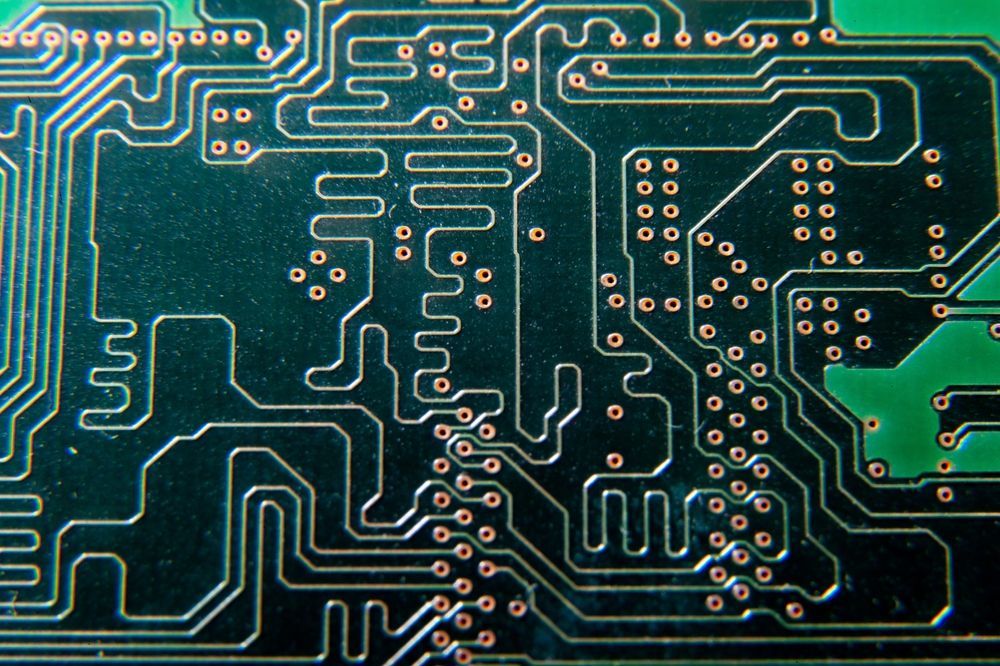
FR4 is a glass-reinforced epoxy laminate commonly used as the main substrate in PCB manufacturing. It consists of woven fiberglass cloth bonded with flame-retardant epoxy resin, forming a rigid, electrically insulating base. This construction supports stable circuit behavior while maintaining mechanical strength under typical operating conditions.
Its flame-retardant properties align with industry safety expectations, and its predictable dielectric behavior helps maintain signal quality in many designs. FR4 has become a standard option thanks to a practical balance of cost, processing characteristics, and reliability. That balance makes it a good fit for a wide range of electronic assemblies in different environments, especially applications that call for moderate thermal and mechanical performance and consistent electrical insulation over extended service life.
Key Properties That Make FR4 the Industry Standard
FR4 is widely used because its electrical, thermal, and mechanical properties line up well with common fabrication methods and typical application needs.
Key properties include:
Electrical insulation:
Maintains stable dielectric behavior for consistent signal transmission.
Mechanical strength:
Fiberglass reinforcement contributes to rigidity and structural durability.
Thermal stability:
Tolerates moderate heat during soldering and normal operation.
Flame resistance:
Complies with common flammability standards for safer end products.
Moisture resistance:
Limits moisture uptake that could affect electrical performance over time.
Dimensional stability:
Holds its shape through fabrication steps and repeated thermal cycling.
Taken together, these traits create a dependable base for fabrication, assembly, and long-term performance in many standard electronic designs.
Design Considerations for FR4-Based PCBs
FR4 substrate characteristics shape PCB layout decisions and must align with both electrical targets and manufacturing capabilities. Material behavior influences trace routing, layer structure, and the way the board reacts to heat and mechanical loading.
Important design considerations include:
- Glass transition temperature (Tg): Sets thermal limits during both assembly and field operation.
- Layer stack-up: Affects signal integrity, impedance control, and crosstalk.
- Dielectric constant: Influences high-speed signal performance and routing strategies.
- Thermal expansion: Impacts reliability under repeated heating and cooling cycles.
- Mechanical rigidity: Helps maintain structural stability across mounting schemes and use conditions.
- Copper adhesion: Plays a role in trace reliability and long-term durability.
Each factor needs to be reviewed in the full design and manufacturing context so the board can perform consistently.
Manufacturing Implications of FR4 Material
FR4 characteristics affect how boards progress through fabrication and assembly, and those characteristics influence each processing stage. Applying design for manufacturing (DFM) principles early in the design cycle helps align material behavior with process capabilities, limiting variation during lamination, drilling, and plating. Control in these steps supports consistent board construction and more predictable performance later in the build.
Material choice also connects to regulatory frameworks such as
restriction of hazardous substances (RoHS), which governs the materials that can be used in many markets. During assembly, FR4 must tolerate the thermal exposure of soldering while holding its mechanical integrity. When material properties, fabrication parameters, and compliance needs are reviewed together, manufacturers can keep builds consistent and reduce risk during production, especially in regulated and high-reliability settings that place heavy emphasis on quality control and traceability.
FR4 in High-Reliability Applications
FR4 appears in many high-reliability environments because its performance profile works well with established manufacturing methods. In sectors such as medical devices, aerospace systems, and industrial automation, stable material behavior is central to long-term performance. These industries we serve often operate under strict environmental and regulatory conditions, with thermal cycling, vibration, and long product lifetimes placing additional stress on the substrate.
FR4 can handle these demands when it is matched carefully to application requirements and backed by controlled processes. Aligning material choice with operating conditions helps boards maintain structural stability and consistent electrical behavior through the full lifecycle, even under repeated thermal stress, mechanical loading, and exposure to challenging environments for extended periods.
When FR4 Is Not Enough
FR4 meets the needs of many standard designs, but some operating conditions extend beyond its capabilities. In those cases, other substrate materials should be considered to preserve performance and long-term reliability.
Situations where FR4 may fall short include:
- High-temperature environments: Elevated operating temperatures can exceed typical Tg limits.
- High-frequency applications: Signal loss can increase as dielectric limitations become more pronounced.
- Severe mechanical stress: Constant flexing or vibration can undermine structural stability.
- Harsh chemical exposure: Aggressive environments can degrade the laminate.
- Extended lifecycle expectations: Continuous stress over long service intervals can contribute to gradual performance decline.
- Tight impedance control needs: Variability in dielectric properties can affect signal precision in very sensitive designs.
In these scenarios, alternative materials help align performance expectations with the real conditions the assembly will experience.
How EI Microcircuits Supports Material-Driven PCB Success
Material decisions bring the best results when they are evaluated inside a structured manufacturing environment. Within electronic manufacturing services (EMS), aligning substrate properties with process capabilities begins early in the engagement and continues through production. At EI Microcircuits, material selection is reviewed alongside design data to identify risks tied to thermal behavior, mechanical stress, and assembly conditions.
The process follows a defined progression. Material options are first evaluated against application conditions. Design choices are then aligned with fabrication and assembly methods. Finally, performance is confirmed through inspection and testing. This approach encourages consistent builds and stable long-term behavior in high-complexity assemblies, while supporting traceability, process control, and alignment with strict quality management systems in regulated industries.
Material Selection as a Strategic Decision
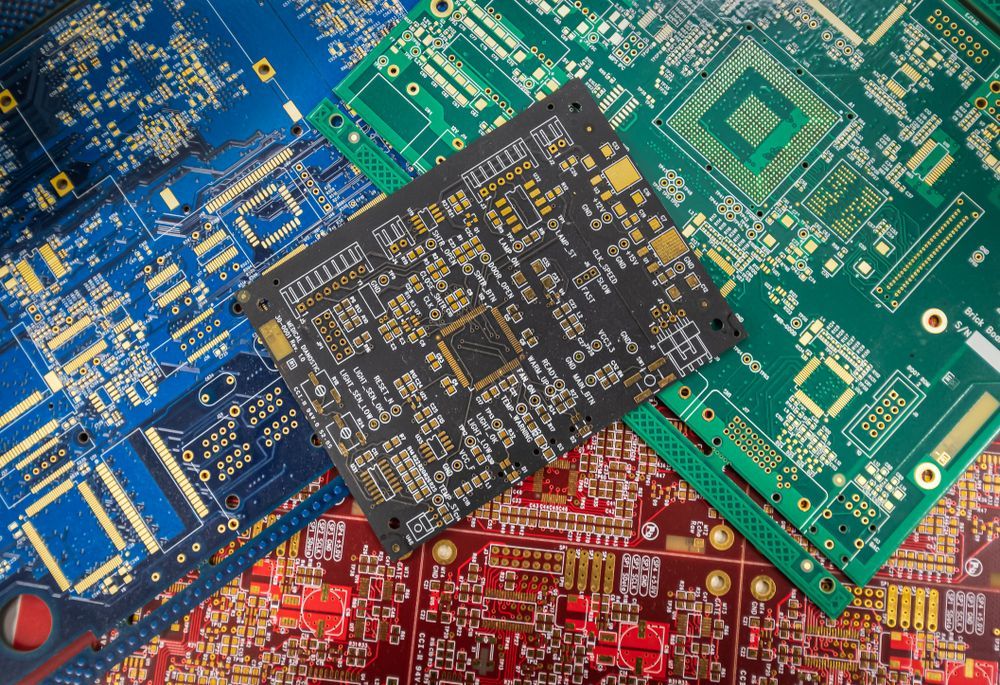
Substrate choice influences performance, manufacturability, and long-term reliability throughout the life of the product. The decision made at this stage shapes how assemblies respond to thermal stress, mechanical loading, and environmental exposure over time. When material choice and production processes are aligned with application needs, variation across builds is reduced, and consistency improves.
EI Microcircuits works with engineering teams to examine material decisions within the full manufacturing context. This collaborative approach supports clear tradeoffs and more predictable outcomes in complex assemblies.
Connect with EI Microcircuits to discuss your application.
let's talk
EI Microcircuits is comprised of three production facilities totaling over 100,000 square feet of climate-controlled manufacturing, engineering and warehousing. We are ready to be the solution to your next project. Contact Us, Request a Quote or Schedule a Tour today!
Manufacturing plant 1
1651 Pohl Road
Mankato, MN 56001
P: 507.345.5786
Manufacturing plant 2
2011 Klein Street
St. Peter, MN 56082
P: 507.934.5722
manufacturing plant 3
69 Power Drive
Mankato, MN 56001
P: 507.386.9160
*Each facility is configured to support your production needs. While maintaining continuity with each other in equipment, training and process control, each facility offers its own specialty. All facilities share the same data center to allow for seamless manufacturing between locations.